

Frequently Asked Questions
If your question is not addressed here, please reach out!


About Cascadia Seaweed
When was Cascadia Seaweed founded, and by whom?
Cascadia Seaweed was founded in 2019 by Bill Collins, Michael Williamson, and Tony Ethier. The three founders shared a vision of building a sustainable seaweed cultivation industry in British Columbia that supports coastal communities, Indigenous partnerships, and climate-resilient agriculture.
Is Cascadia Seaweed a certified B Corporation?
Yes, Cascadia Seaweed is a certified B Corporation and a registered Benefit Company in British Columbia. B Corp certification is awarded by B Lab to companies that meet rigorous standards of social and environmental performance, accountability, and transparency.
As a Benefit Company, we are legally required to consider the impact of our decisions on our workers, community, and the environment — not just shareholders. This structure holds us accountable to our purpose of building a climate-resilient food system through seaweed-based products.
In 2025, Cascadia Seaweed recertified with B Lab.
How does Cascadia Seaweed work with First Nations communities?
Cascadia Seaweed's business model is built on meaningful, long-term partnerships with coastal First Nations in British Columbia. We operate our kelp farms within the traditional territories of our Indigenous partners, and our partnership structure is designed so that First Nations communities contribute to, and benefit directly from, the success of the business.
We recognize traditional ecological knowledge as equal to scientific knowledge, and it informs how we site, design, and operate our ocean farms. We are committed to equitable, transparent, and mutually beneficial relationships with all rights and title holders.
Our current partners include:
Tsawout First Nation
Uchucklesaht Tribe Government
Tseshaht First Nation
Ahousaht First Nation
Metlakatla Development Corporation
Read this story about one of our First Nation partners becoming a shareholder.
About Seaweed
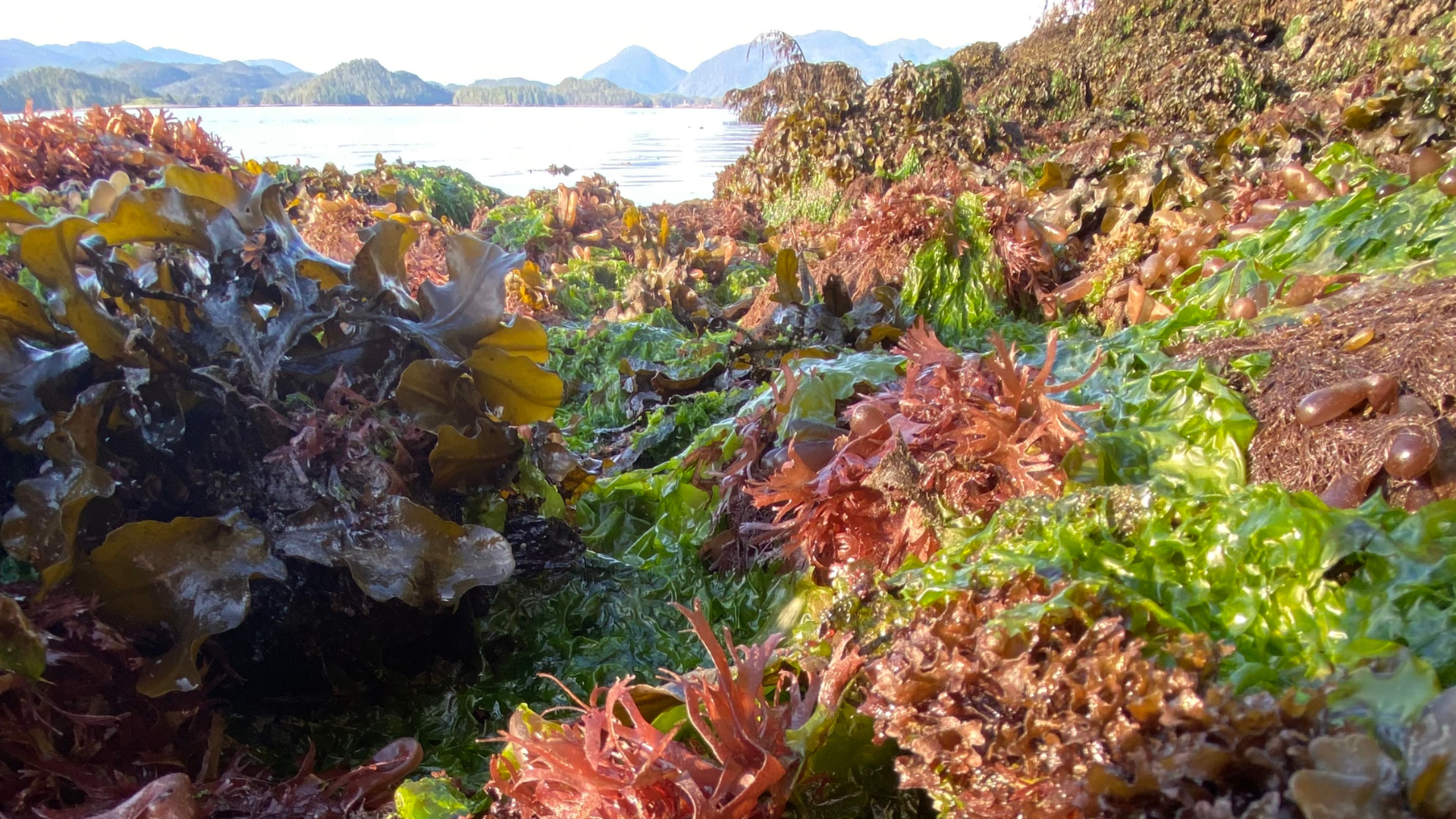
Seaweeds are multicellular marine algae categorized by their pigments — red, green and brown — that play a crucial role in marine ecosystems. There are over 10,000 species around the world.
Plants have root systems, seaweeds do not.
What is seaweed?
Kelps are a subset of brown seaweeds differentiated by their size. There are over 30 different species of kelp.
All kelp is seaweed, but not all seaweed is kelp.
What is kelp?
How many seaweeds are there in British Columbia?
British Columbia is recognized as one of the most seaweed-diverse regions in the world. Over 600 species have been documented along the 20,000 kms of British Columbia’s coast.
How many seaweeds are there in British Columbia?
British Columbia is recognized as one of the most seaweed-diverse regions in the world. Over 600 species have been documented along the 20,000 kms of British Columbia’s coast.
Is seaweed farming the same as harvesting wild kelp?
Seaweed farming is not the same as harvesting from the wild.
At Cascadia Seaweed, we harvest from what we grow. This differs from wild harvesting, which involves collecting seaweed from natural stock.
In many regions, commercial wild harvesting is permitted under strict licensing and regulatory frameworks designed to manage ecological impact. Similarly, seaweed farming operates under its own regulatory requirements, including site permitting and environmental oversight.
We believe cultivation is the more sustainable approach for producing liquid biostimulants at scale, as it reduces pressure on natural seaweed populations.
How does kelp farming differ from conventional aquaculture?
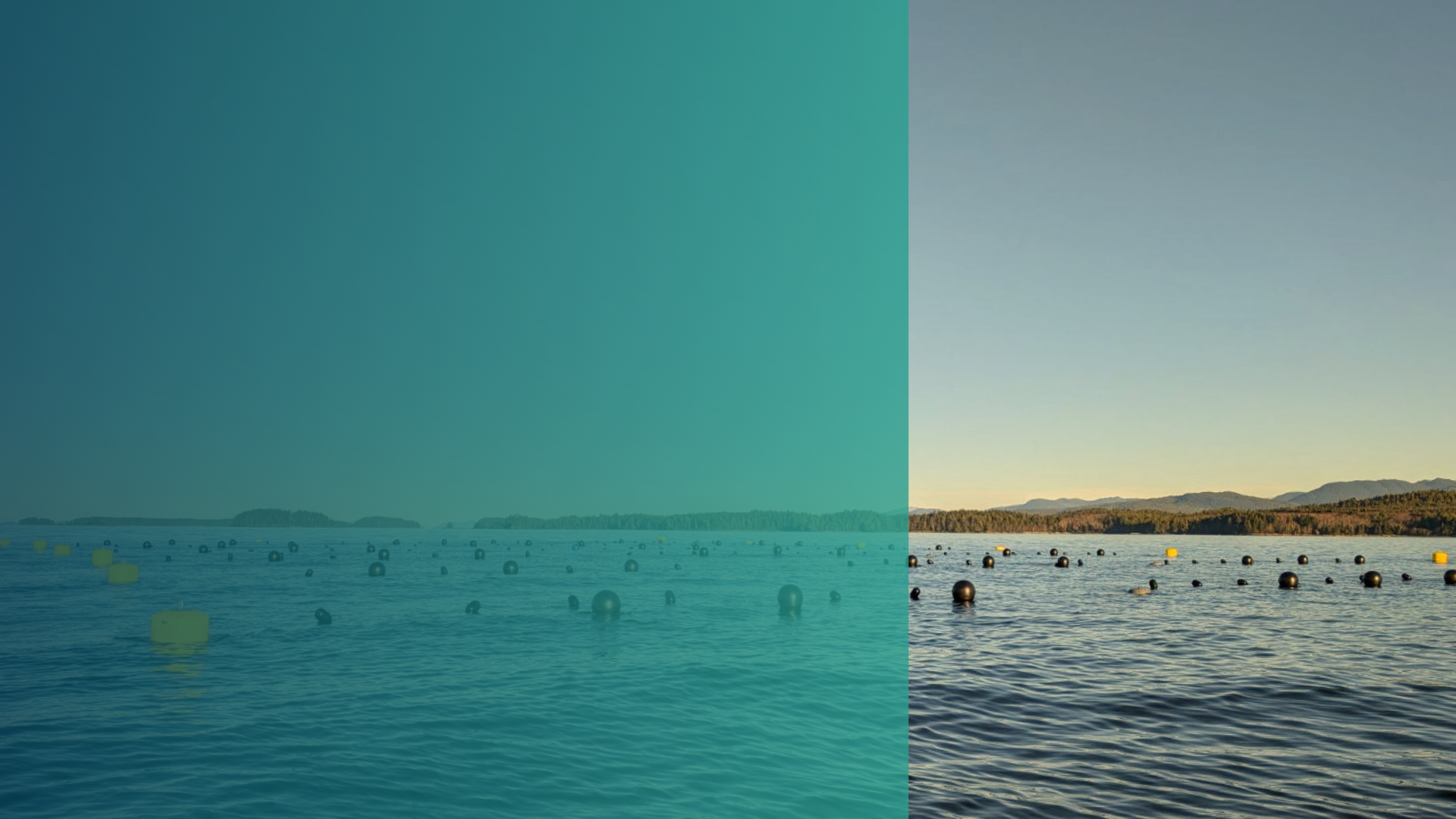
Kelp farming is one of the lowest-impact forms of aquaculture.
Unlike fish or shellfish farming, seaweed cultivation requires no feed inputs, no pesticides, and no freshwater. Kelp grows by absorbing nutrients directly from seawater and energy from sunlight.
In fact, kelp farming actively improves the marine environment around the farm sites. Growing kelp absorbs excess nutrients (such as nitrogen and phosphorus) from the water column, captures carbon, produces oxygen, and can help buffer local ocean acidification. The farm also provides habitat and shelter for fish, invertebrates, and other marine species.
Cascadia's farms are designed to be low-impact, using minimal infrastructure, and are sited in partnership with coastal First Nations using principles of traditional ecological knowledge alongside scientific methods.
Products and Purchasing
What liquid kelp extract products does Cascadia Seaweed offer?
Cascadia Seaweed offers three liquid kelp extracts, or biostimulants, for large-scale crop producers: FieldKelp, Kelpivex and RegenaKelp.
Kelpivex is derived from cultivated Saccharina latissima and can be applied as a foliar spray, transplant root dip, tuber dip, or soil drench. Kelpivex is registered by CFIA for use in Canada. Learn more about Kelpivex, application instructions and view the label here.
RegenaKelp, is derived from Macrocystis tenuifolia, and can be applied as a foliar spray, transplant root dip, tuber dip, or soil drench. RegenaKelp is registered by CFIA for use in Canada. Learn more about RegenaKelp, application instructions and view the label here.
FieldKelp is derived from Saccharina latissima and/or Macrocystis tenuifolia, and can be applied as a foliar spray, transplant root dip, tuber dip, or soil drench. FieldKelp is available in most US States. Learn more about FieldKelp, application instructions and view the label here.
All three products are 100% natural, produced using Cascadia's advanced processing technology to preserve key bioactive compounds.
What crops can Cascadia's liquid kelp extracts be used on?
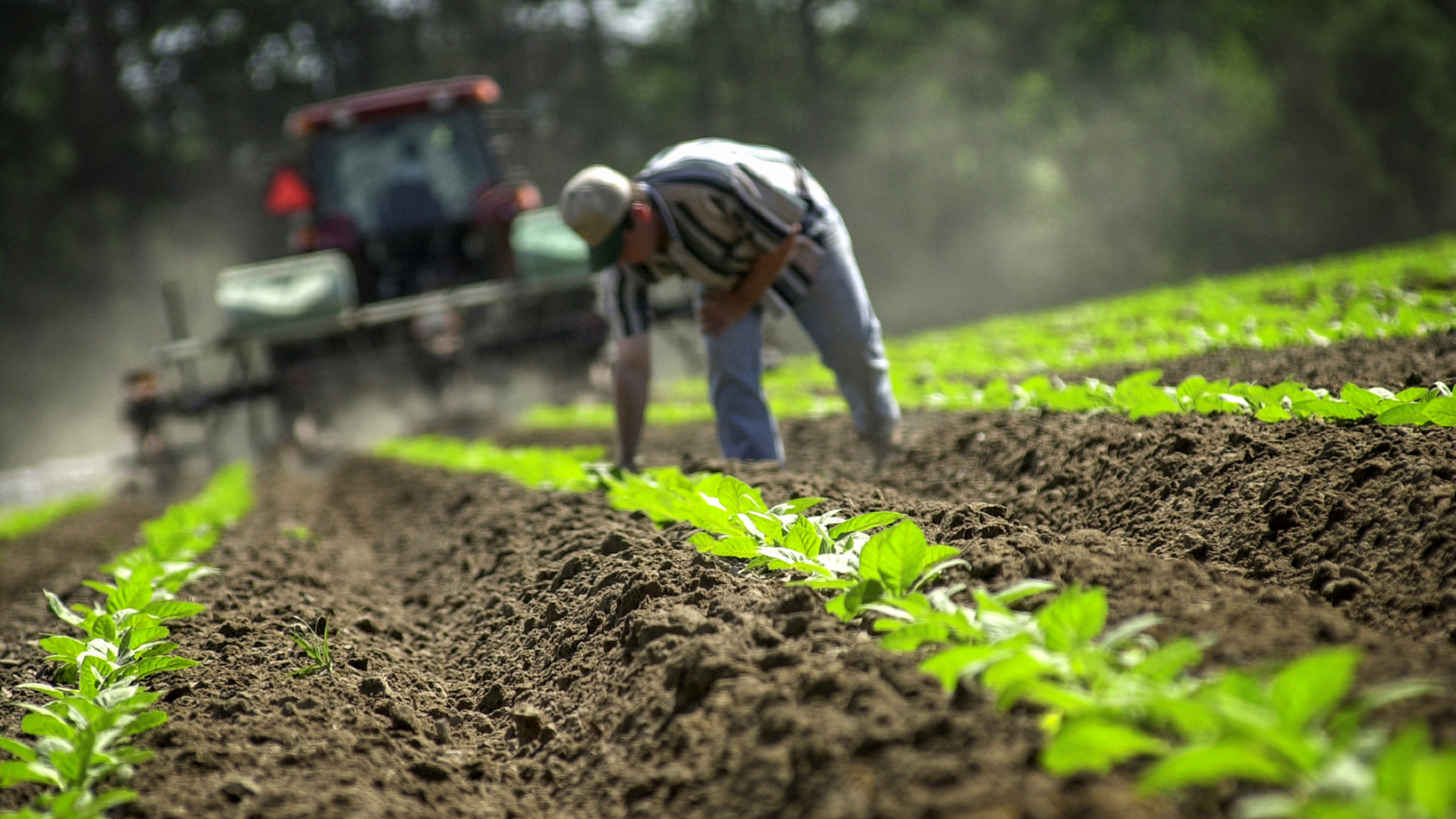
Cascadia's liquid kelp extracts can be used on virtually all crop types, including berries, fruits, vegetables, field crops, and greenhouse crops. Application rates and timing vary depending on the crop, region, soil conditions, and production goals.
Contact our team for crop-specific recommendations and application guidance.
How do I purchase Cascadia Seaweed's liquid kelp products?
Cascadia Seaweed's liquid kelp extracts are sold through agricultural distributors across Canada and the US.
Connect with our Director of Sales and Marketing, Marcus McClure (CCA), who will help identify the right product for your operation and connect you with your nearest distributor.
A few of our distribution partners include:
Hawkview Ag – Northern Peace Region of Alberta, Canada
Peace Soil Works – The Peace Region of Alberta, Canada
FieldLogic Agronomy – Midwest United States
Planet Earth Agronomy - Midwest United States
Products are available in 1000-litre Intermediate Bulk Containers (IBCs), with white-label opportunities also available for distributors and retailers looking to build their own branded product line.
If you are a distributor or formulator, the easiest way to get started is to connect with our Director of Sales and Marketing, Marcus McClure (CCA), who can provide product, pricing and delivery information.
Connect with us if you’d like to receive a sample or partner with us on a trial.
Why should I choose agricultural products made from cultivated kelp?
Kelps are naturally nutrient-dense, containing a complex mixture of biologically active compounds for crops and livestock.
To grow, kelp does not require arable land, freshwater, fertilizers or pesticides, and when used in agriculture can improve the efficiency of synthetic fertilizers, contributing to circular, nature-based solutions to food security and climate-related weather events.
Why choose agricultural products made of kelp?
Like land plants, our oceans are feeling the effects of climate change. Naturally occurring kelp species play a vital role in marine ecosystems, but as demand for seaweed-derived agricultural products grows, wild populations face increasing pressure. As a result, wild harvest supplies are declining. By choosing products made from cultivated kelp, you help protect natural ecosystems, access a reliable supply, and support ocean farmers, too.