

When Fertilizer Prices Rise, Efficiency Matters.
How Kelp Biostimulants Help Crops Do More with Less
March 24, 2026, Cascadia Seaweed
Fertilizer prices in 2026 are significantly higher across all major nutrients, driven by geopolitical tensions and global supply constraints. For many farmers, managing input costs while maintaining yields has become an increasingly difficult equation.
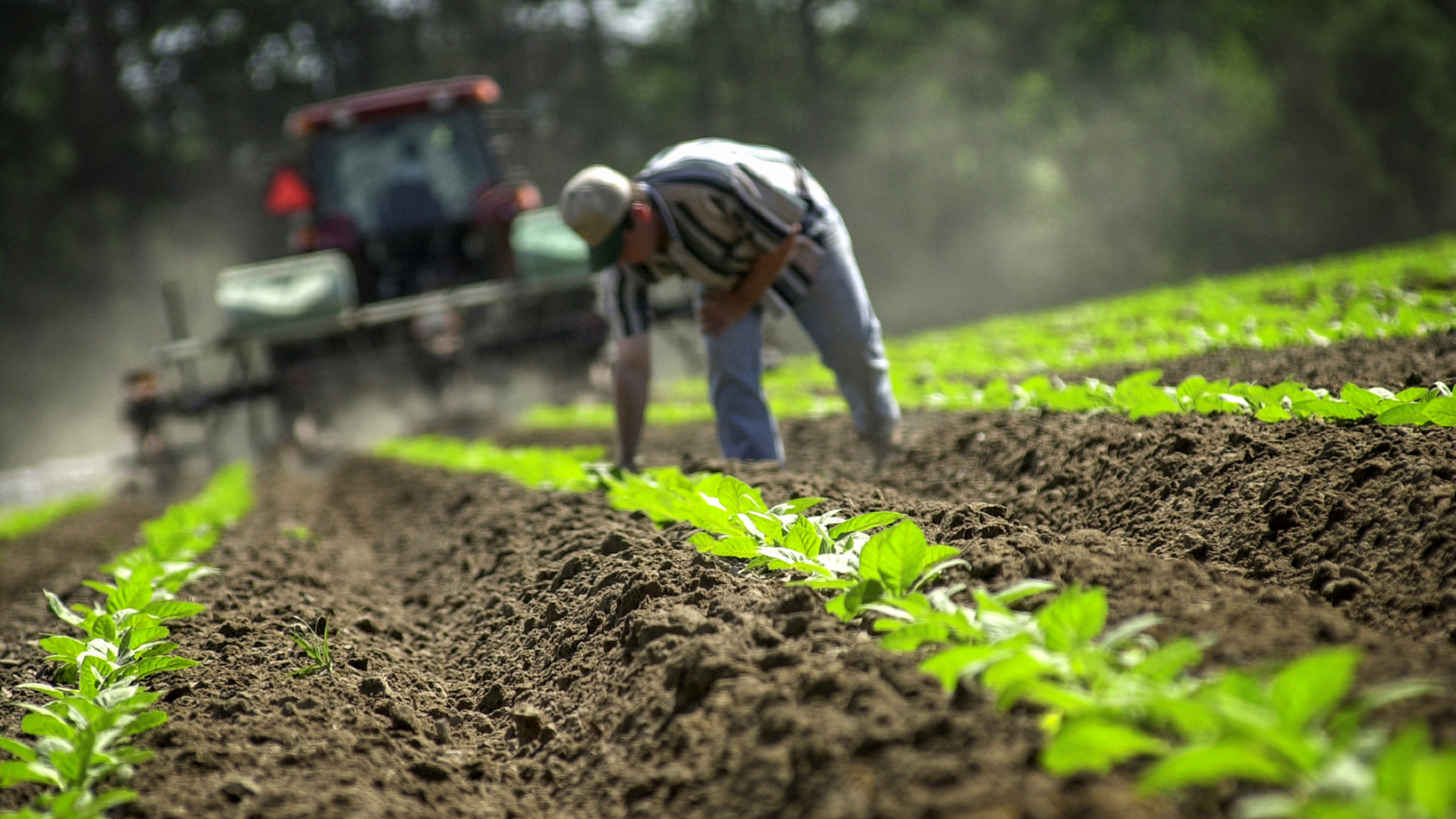
What if there was a natural product that could help crops use nutrients more efficiently, reducing fertilizer input needs and costs?
What if that product cost less than traditional fertilizers and was produced right here in North America?
For a growing number of farmers, the answer is biologicals. Once viewed with skepticism, biological products are now becoming a regular part of modern fertility programs as growers look for practical ways to improve efficiency, resilience, and return on investment.
At Cascadia Seaweed in British Columbia, that solution begins in the ocean.
Matt Obee, Cascadia Seaweed’s Vice President of Operations, is a farmer. His fields, however, are in the ocean. Obee is a seaweed farmer, cultivating kelp on marine farms along the coast of British Columbia.
His team collects reproductive material, produces seed, installs marine farms, outplants their lines in the fall, monitors growth through the winter, and harvests in the spring.
“It’s similar to terrestrial farming in that we’re affected by weather, fuel prices, equipment issues, and all the other factors that influence farm profitability,” says Obee. “The difference is that our crop doesn’t require inputs to grow. All it needs is the ocean and sunlight. What we produce is designed to help land-based farmers improve crop quality and increase yield potential.”
Cascadia Seaweed cultivates two species of kelp — Giant kelp and Sugar kelp — on marine farms in partnership with Coastal First Nations. After harvest, the seaweed is processed into liquid biostimulants designed to support crop resilience and soil health.


The science behind seaweed in agriculture is well established, but not all seaweeds — or seaweed products — are the same.
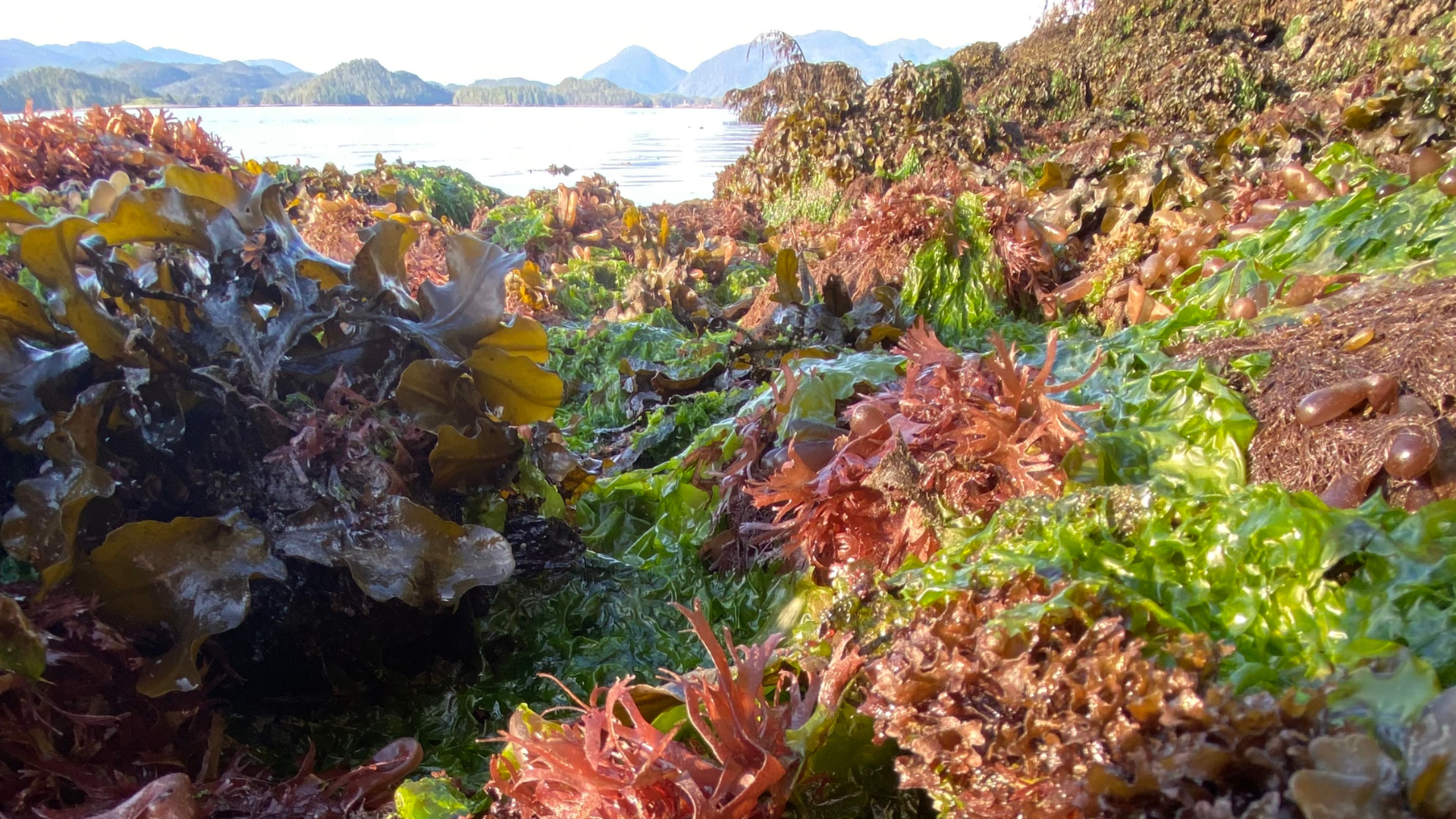
There are more than 10,000 species of seaweeds worldwide, generally categorized into three groups: reds, greens, and browns.
Most agricultural biostimulants are derived from brown seaweeds such as Ascophyllum nodosum, Macrocystis pyrifera, and Ecklonia maxima, the latter two being kelp species.
These seaweeds contain natural compounds including amino acids, complex carbohydrates, and naturally occurring plant hormones like auxins and cytokinins. When applied to crops, these compounds stimulate soil microbial activity and encourage root development, allowing plants to access nutrients more efficiently.
That increased efficiency becomes particularly valuable when crops face environmental stress.
Heat, drought, and other abiotic stressors can limit nutrient uptake and slow plant development. Seaweed-based biostimulants help plants better tolerate these conditions by strengthening root systems and supporting the biological activity that keeps nutrients moving through the soil.
Director of Sales and Marketing Marcus McClure says the goal is not to replace fertilizers, but to make them work harder.
“Our kelp products don’t replace nutrient fertilizers,” says McClure. “They work alongside them, helping ensure that the nutrients being applied actually reach the plant. That reduces waste and improves overall efficiency, which translates into real financial and operational benefits for growers.”
Recent field trials are beginning to show that impact.
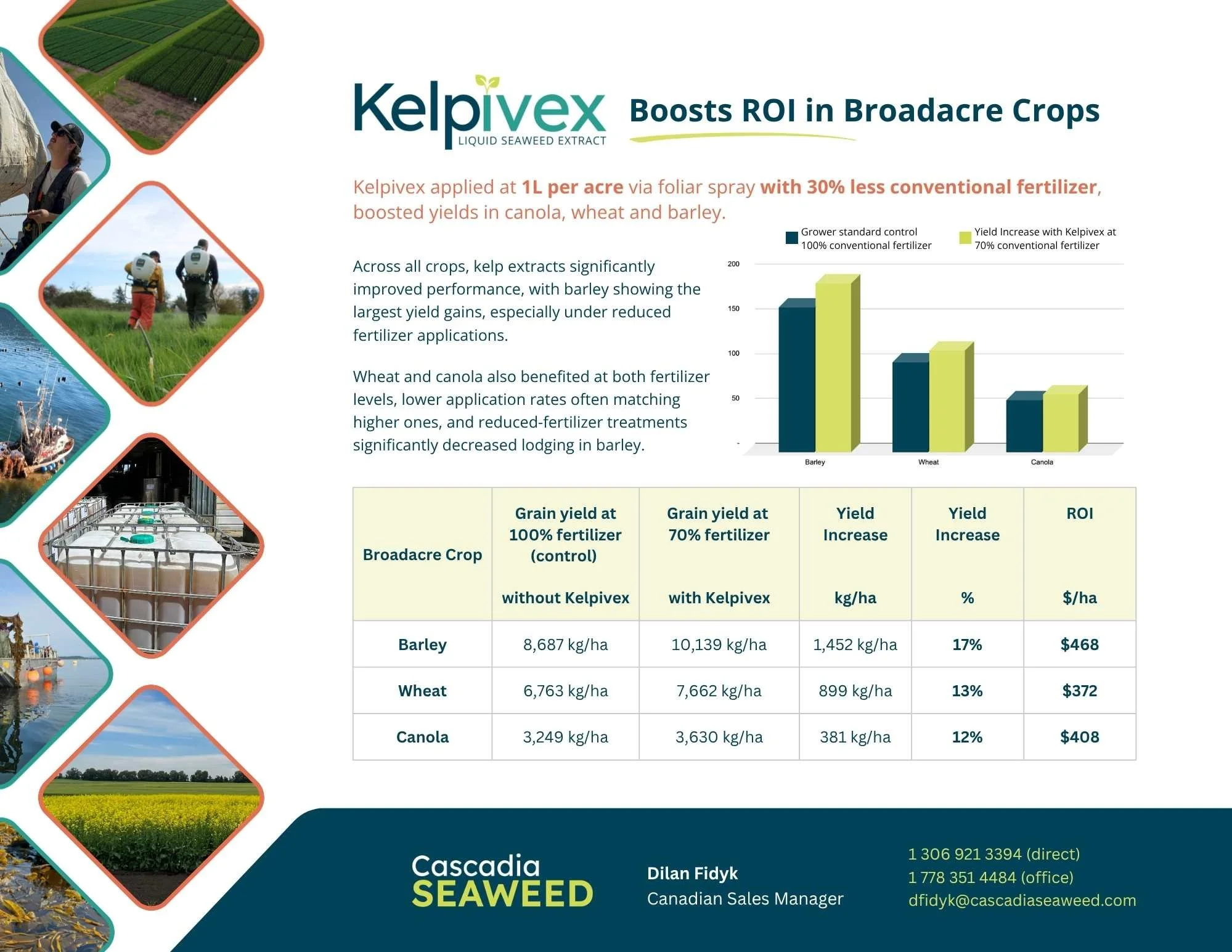
In a barley trial conducted on the Canadian Prairies, Cascadia’s liquid kelp extracts, were applied twice, one liter per acre at tillering and again at the flag leaf stage.
Even with a 30 percent reduction in fertilizer rates, treated crops produced higher yields and experienced less lodging compared to the full fertilizer program.
Dr. Helga Miehle, Manager of Agricultural Products at Cascadia Seaweed, explains the results.
“Overall, barley exhibited a 17 to 24 percent yield increase at a 70 percent fertilizer rate, compared with 11 to 16 percent at 100 percent fertilizer,” says Miehle. “This demonstrates greater yield gains and reduced lodging under reduced fertilizer inputs.”
Cascadia has also recorded yield improvements alongside reduced synthetic fertilizer use in tomatoes and lettuce, with trials scheduled this season on table grapes, almonds, pistachios, and several varieties of potatoes.
For growers navigating volatile fertilizer prices and unpredictable weather, improvements in efficiency like these can have a meaningful impact on the bottom line.
McClure believes the industry itself has also evolved.
“I’ve been working with kelp-based biostimulants for over sixteen years, both on my family farms and as a crop advisor,” he says. “Biological products are not what they used to be. They’re becoming a normal part of modern agronomy.”
What attracted him to Cascadia Seaweed, he adds, is the company’s roots in farming itself.
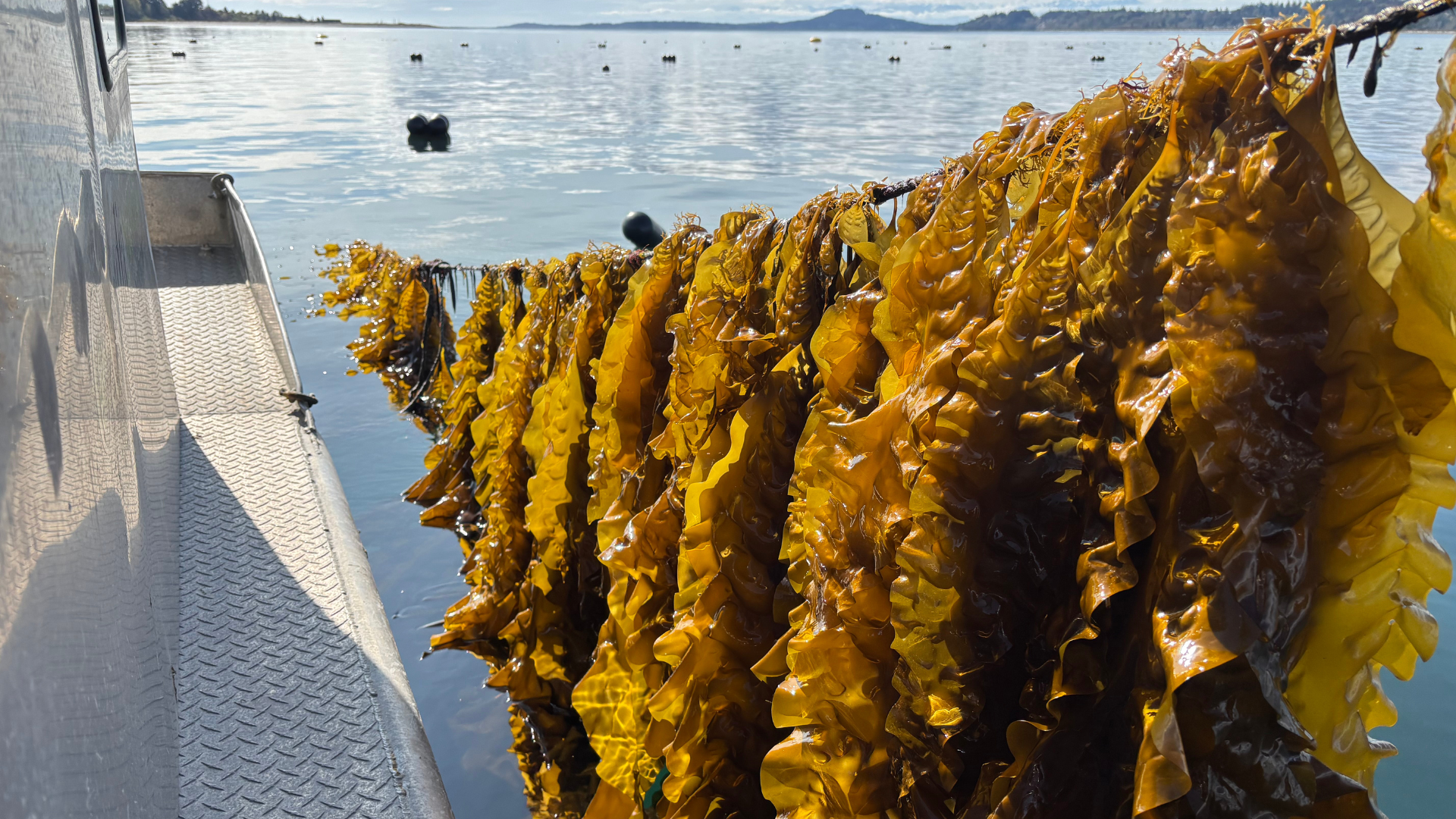
“Many seaweed products are harvested from wild stocks or shipped from overseas. At Cascadia Seaweed, we’re cultivating our own kelp and producing products here in North America. We’re farmers too, and we understand the pressures growers are facing.”
Although still a relatively young company, Cascadia Seaweed has rapidly expanded its production and distribution network to serve conventional and organic growers across North America.
The company’s liquid kelp extracts are competitively priced, stocked in multiple warehouses across the continent, and designed to integrate easily into existing fertility programs.
“Our goal is simple,” says Obee. “Give farmers a product that helps them get more out of the nutrients they’re already applying. At the end of the day, we want to give growers another tool that helps their crops perform and supports the long-term profitability of their farms.”
Crop advisors are encouraged to evaluate how these trials might fit into their own fields and recommended fertility programs by contacting Cascadia Seaweed for more information.
For more information, or to place an order, connect with

Marcus McClure, CCA
Director of Sales and Marketing
Cascadia Seaweed
sales@cascadiaseaweed.com
